
Nudging the Shift to Green Energy: A Mobile Solution for Indian Households
In the ever-evolving landscape of urban development, a new paradigm is emerging—one that seeks to bridge the gap between educational institutions and the cities they call home. This innovative approach, known as “Integrating Urban Campuses,” promises to transform the way we think about urban spaces and institutional lands.
The Historical Context
Historically, educational institutions have played a significant role in shaping urban growth. They have been the catalysts for development, attracting talent, fostering innovation, and driving economic progress. However, as cities have expanded and evolved, many of these institutions have become isolated islands within the urban fabric, often perceived as passive edges or urban voids.
The Need for Transformation
In today’s rapidly changing urban environments, it’s crucial for institutions to evolve alongside the cities they inhabit. Urban areas are in a constant state of flux, and to keep pace, cities must continuously transform. This transformation presents both challenges and opportunities:
Reimagining Urban Voids
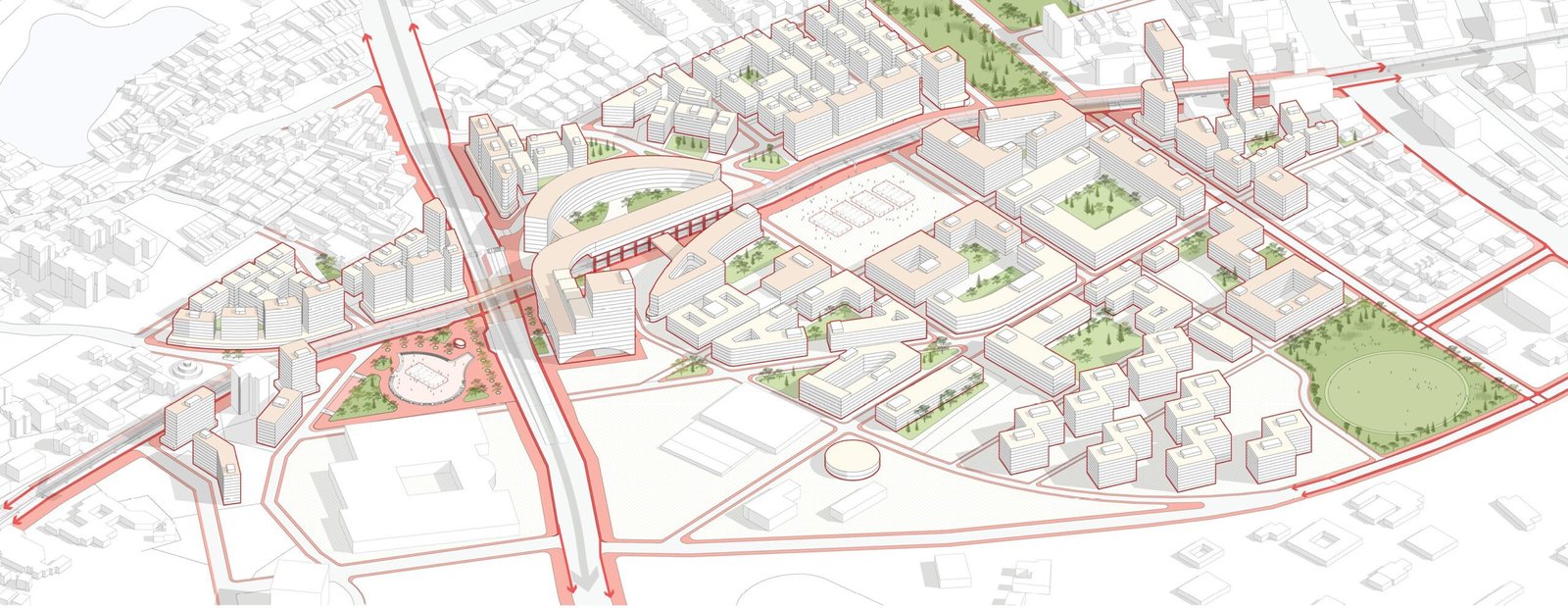
The project of integrating urban campuses seeks to tap into the untapped potential of urban land. It aims to retrofit urban sprawl, limiting the physical boundaries of haphazard city growth and addressing emerging concerns such as housing shortages, congestion, lack of public spaces, infrastructure deficits, and ecological challenges.
Large institutional lands—such as university campuses, railway yards, cantonment areas, and trust lands—often exist as “urban voids,” providing passive edges to the city. By reimagining these spaces as city anchors, we can coordinate economic and social developments at local, regional, and city levels.
A Model for Urban Retrofitting
The integration of urban campuses presents an implied model for urban retrofitting. This approach promises to contribute to solving problems associated with sprawling land-use patterns and isolated institutional lands. By transforming these areas into vibrant, mixed-use spaces, we can:
Looking to the Future
As we face the challenges of rapid urbanization and climate change, the integration of urban campuses offers a promising path forward. By reimagining the relationship between educational institutions and cities, we can create more sustainable, livable, and dynamic urban environments.
This approach has the potential to significantly improve the Indian urban landscape, transforming cities for a better tomorrow. It calls for collaboration between educational institutions, city planners, policymakers, and local communities to create a shared vision for the future of our cities. As we transform towards “Viksit Bharat 2047” , let us embrace this opportunity to reshape our urban spaces, creating cities that are not only more efficient and sustainable but also more inclusive and responsive to the needs of all their inhabitants.